
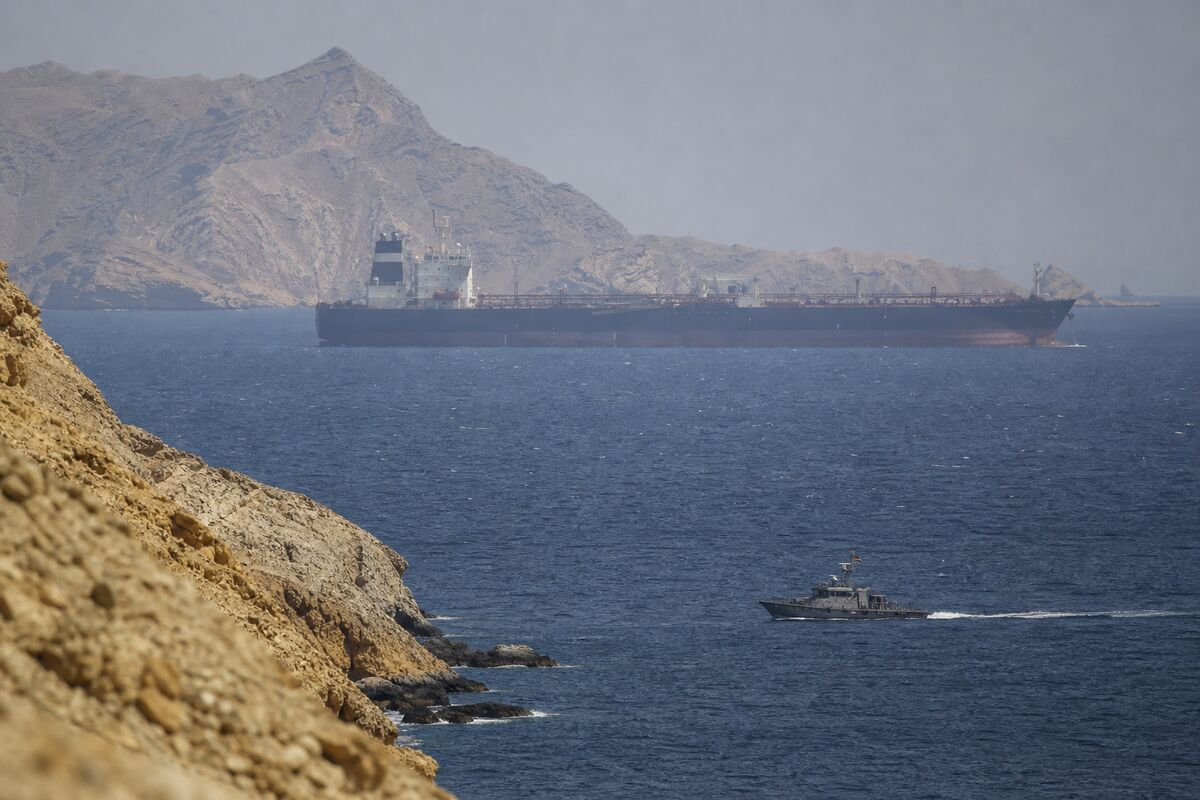
Oil markets have found a fresh geopolitical fuse. Crude rose 2% and settled at six-month highs as fears of escalation involving Iran intensified, turning the Strait of Hormuz into a focal point for investors watching the next move in energy prices.
For North American markets, the question is no longer simply whether crude is rising. It is whether a supply shock is beginning to cast a longer shadow over energy equities, transportation costs, inflation expectations and the Federal Reserve’s policy calculus. The market is pricing uncertainty first—and asking questions about the economic bill that may follow.
Reports of tanker fires in the Strait of Hormuz and limpet mine attacks have added to supply-chain concerns, although those geopolitical reports should not be treated as independently confirmed beyond what has been stated. The U.S. order for non-emergency staff to leave Saudi Arabia because of security risks has added another visible signal that officials are taking the situation seriously.
That combination has given crude a risk premium: the extra market anxiety attached to the possibility that supply routes could be disrupted. The Strait of Hormuz is central to the story because developments there can influence how traders assess the reliability of energy flows, even before any confirmed, sustained reduction in supply appears in the data.
OPEC+ offers no immediate production surprise
Against that backdrop, sources expect OPEC+ to keep oil output targets steady at its upcoming decision. That expected choice matters because it would leave the market without an announced increase in production targets to offset the latest supply concerns.
Steady targets do not automatically mean a supply shortage. They do, however, preserve the tension between a market worried about disruption and a producer group that is not expected to change its stated output position. If geopolitical risk fades, that tension could ease. If it intensifies, the unchanged targets may remain a prominent part of the market’s calculations.
Coverage of the developments is available through the reported oil-market and security developments.
What it could mean for NYSE and TSX energy shares
Higher crude prices can create a direct tailwind for energy companies listed on the NYSE and TSX because the value of their underlying commodity exposure may rise. That does not mean every energy equity will respond in the same way. Company-specific production, operating costs and exposure to different crude markets can shape the effect, while broader equity-market uncertainty may pull in the opposite direction.
The distinction is important. A higher oil price is a direct market input for the energy sector. The geopolitical uncertainty surrounding Iran, Saudi Arabia and the Strait of Hormuz is a broader risk factor that can influence investor sentiment across sectors. Energy shares may benefit from the commodity move while still trading in a market unsettled by security concerns and changing economic expectations.
Inflation may be the second-round story
Crude’s climb also reaches beyond the oil patch. Higher fuel costs can lift transportation expenses for households and businesses, potentially feeding into inflation expectations. The effect may be especially visible in freight, travel and other activities tied closely to energy costs.
That creates a more complicated backdrop for the Federal Reserve. If higher oil prices appear temporary and remain contained, policymakers may view them differently than a sustained increase that begins to influence broader prices and expectations. A persistent energy shock could make the path for monetary policy less comfortable by adding inflation pressure even as higher costs weigh on economic activity.
For investors, the immediate signal is therefore mixed. Oil’s 2% rise and six-month closing high strengthen the energy-market case, while the reported security developments and expected steady OPEC+ targets keep the supply outlook uncertain. The next stage may depend less on the headline move in crude than on whether the risk premium survives beyond the initial burst of fear.
Bull/Bear Verdict
Bull Case: Oil’s 2% rise to a six-month high, combined with expected steady OPEC+ output targets, could support NYSE and TSX energy equities if supply concerns remain elevated.
Bear Case: Reported tanker fires, limpet mine attacks and the U.S. staff departure order could deepen uncertainty, while higher crude prices may raise transportation costs, inflation expectations and pressure on the Federal Reserve’s policy outlook.