
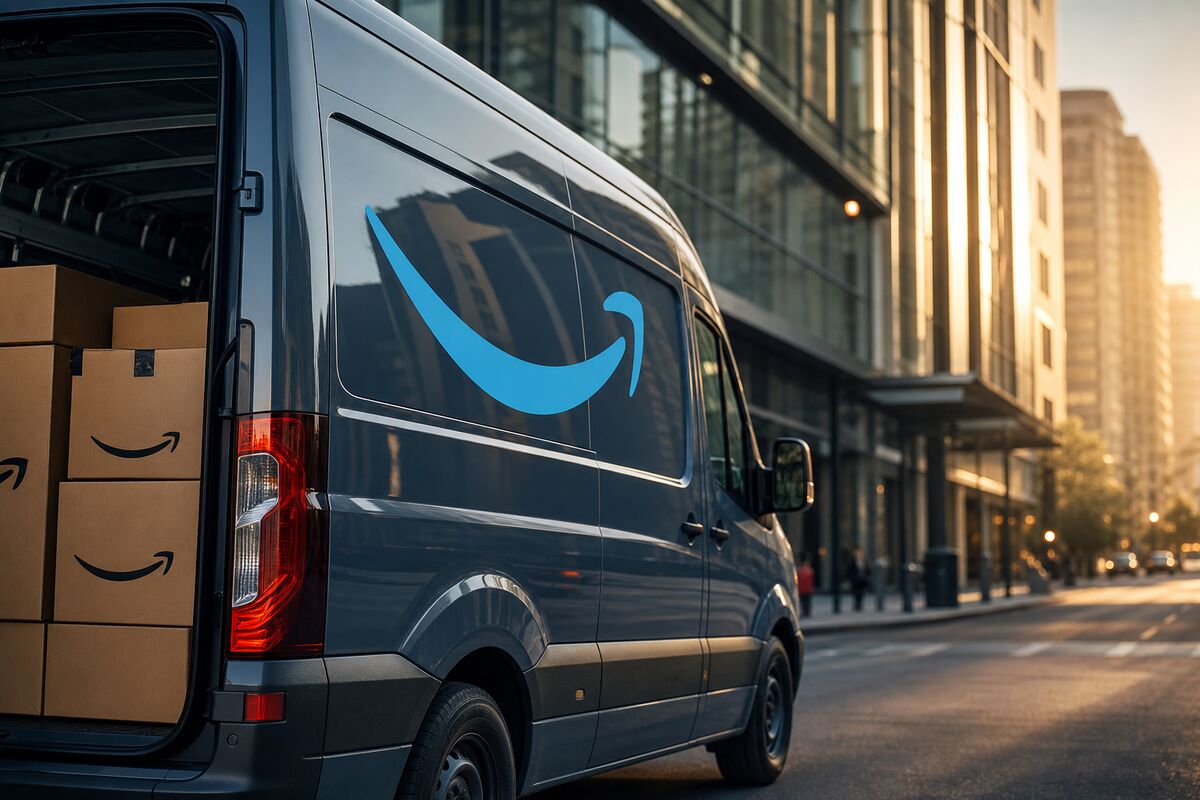
Amazon is turning its own shopping app into a lobbying channel in New York City, using push notifications to oppose a delivery-worker protection bill backed by Mayor Zohran Mamdani. For investors, the fight is bigger than one municipal measure: it puts the cost structure of Amazon’s urban delivery network, the resilience of e-commerce margins and the potential spread of local labor rules under the microscope.
The immediate facts are clear, while the financial outcome is not. Amazon has campaigned against the proposed legislation and lobbied heavily against it during the year. If the bill passes, is implemented and is enforced, it could alter delivery economics in one of Amazon’s largest urban markets. That creates a regulatory variable for $AMZN without establishing a specific earnings impact or legislative result.
CNBC reported that Amazon launched the in-app push-notification campaign in opposition to the bill. The tactic matters because it gives the company direct access to customers while lawmakers debate rules affecting the workers involved in last-mile delivery. It also signals that Amazon views the proposal as important enough to contest publicly, rather than treating it as a narrow local issue.
Why the delivery cost structure matters
Last-mile delivery is a critical operating question for any large e-commerce platform. Orders must move from fulfillment infrastructure to customers, and urban markets can bring a distinct set of operational constraints. A bill aimed at delivery-worker protections could affect how Amazon organizes that final step, depending on the legislation’s requirements and how regulators apply them.
The potential financial mechanism is straightforward: changes to delivery-worker rules may increase the cost of completing orders, reduce scheduling flexibility or require adjustments to existing logistics practices. Those effects could influence the economics of e-commerce operations. However, the size and timing of any impact would depend on the bill’s final language, passage, implementation and enforcement.
That distinction is essential for reading the story correctly. Amazon’s opposition confirms that management sees a meaningful policy concern. It does not confirm that costs will rise by a particular amount, that margins will decline by a particular percentage or that the bill will become law. Those remain conditional outcomes rather than established results.
New York as a regulatory test
New York City is an important setting for this debate because it is one of Amazon’s largest urban markets. A rule adopted there could therefore have an immediate relevance to a substantial delivery operation, even if the legislation remains confined to the city. The market may also attract attention from policymakers elsewhere who are evaluating how delivery work and gig-economy activity should be regulated.
For investors, the potential precedent is the central issue. A local rule does not automatically become a national standard. Still, successful implementation could provide a policy model for other cities or encourage additional proposals. That could raise the regulatory burden facing companies that depend on dense urban delivery networks, particularly if different jurisdictions adopt different requirements.
Amazon’s heavy lobbying during the year suggests the company is attempting to influence the policy before the costs and operational consequences become fixed. The in-app campaign expands that effort from City Hall and public advocacy into the customer relationship itself. That choice may intensify the political visibility of the dispute, while also underscoring the commercial stakes Amazon assigns to the bill.
What the fight may mean for AMZN sentiment
Investor sentiment toward Amazon could respond to the issue through two competing lenses. The first is a margin lens: if delivery protections increase the cost of fulfilling orders and Amazon cannot offset those costs through efficiency, pricing or other operating changes, e-commerce profitability could face pressure. The second is a scale-and-execution lens: Amazon’s size may give it more options to adapt its logistics network than smaller delivery operators.
Neither interpretation establishes a forecast. The bill’s effect would depend on its final terms and the practical requirements imposed after passage. The company’s response could also evolve. Amazon might adjust delivery processes, renegotiate operating arrangements or change how it serves the market. Those possibilities explain why the regulatory development matters to the stock, but they do not provide a basis for assigning a specific cost or earnings effect.
The campaign could also become a sentiment issue even before a measurable financial impact appears. A prolonged public fight may reinforce concerns about rising regulatory scrutiny around Amazon’s labor model and delivery network. Conversely, investors who view the lobbying as evidence of disciplined cost control may focus on management’s effort to protect the economics of a major urban market. The market’s interpretation may shift as the legislative process becomes clearer.
Confirmed facts versus contingent outcomes
- Confirmed: Amazon is using in-app push notifications to oppose a New York City delivery protection bill.
- Confirmed: The bill is backed by Mayor Zohran Mamdani.
- Confirmed: Amazon has lobbied heavily against the proposed legislation during the year.
- Potential: Passage could affect logistics and delivery costs in one of Amazon’s largest urban markets.
- Potential: New York City could become a reference point for delivery-worker or gig-economy rules in other markets.
This separation keeps the investment case grounded. The current event is a corporate lobbying campaign, not a confirmed change to Amazon’s reported costs or margins. The more consequential questions are still ahead: whether the bill passes, what obligations it creates, how enforcement works and whether other jurisdictions follow the same path.
For $AMZN, New York City is therefore a focused regulatory watchpoint. The dispute connects policy design to the practical economics of getting packages to customers. If protections lead to higher delivery expenses, the pressure could reach e-commerce margins; if Amazon adapts effectively, the financial effect may be more limited. Until the legislative and implementation details develop, the clearest conclusion is that regulatory risk has become more visible—not that a quantified earnings outcome has been established.
Bull/Bear Verdict
Bull Case: Amazon’s scale and logistics flexibility may help it adapt if New York City adopts delivery protections, limiting the potential effect on e-commerce margins while the company’s lobbying shows an effort to contain regulatory costs.
Bear Case: If the bill passes and enforcement increases delivery expenses in one of Amazon’s largest urban markets, it could pressure e-commerce margins and encourage similar rules elsewhere, weighing on sentiment toward $AMZN.