
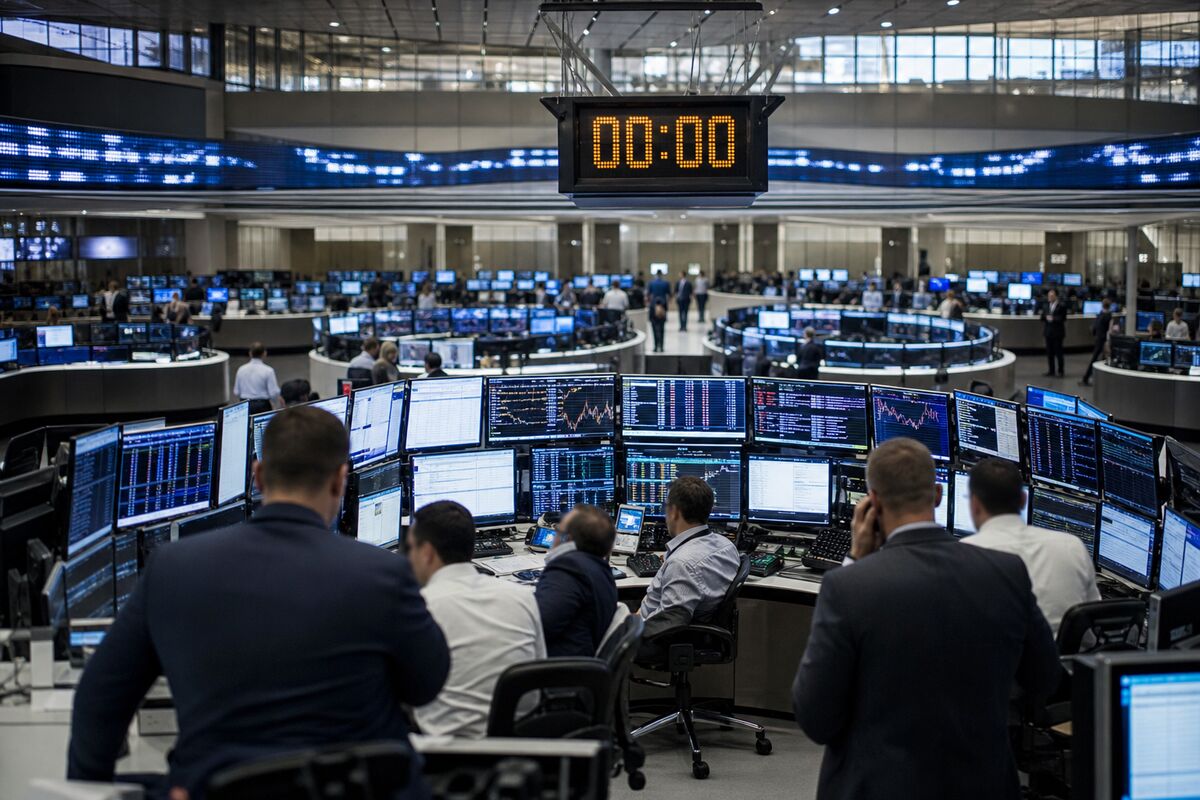
The battle for options order flow is moving beyond the traditional trading day. The New York Stock Exchange has announced extended-hours options trading for heavily traded exchange-traded funds and single stocks, becoming the second major exchange to publicly make such a move. That puts market structure—not merely convenience—at the center of the next contest among US derivatives venues.
This is a direct response to a market that increasingly wants access when news does not respect the clock. By widening the potential window for options activity, NYSE could give retail and institutional traders more flexibility to react to market-moving developments and hedge positions outside standard sessions. The important question is whether that flexibility translates into durable trading volume and order flow.
The announcement follows a similar move from CBOE Global Markets, making the competitive stakes clear. CBOE already has a prominent position in options, while NYSE brings the reach of the New York Stock Exchange and the backing of Intercontinental Exchange. Neither venue can afford to ignore a shift in trader demand toward around-the-clock access.
A contest for volume, not just hours
Extended-hours trading changes the competitive pitch. Exchanges are no longer competing only on technology, fees or the quality of their regular-session markets. They are also competing on when traders can access options and how effectively a venue can capture activity generated by news outside standard market hours.
The focus on heavily traded ETFs and single stocks is significant. These are instruments with established trader interest, rather than a broad claim that every options contract must immediately become available across a longer window. Concentrating on products that already attract attention may help exchanges test demand where participation is most likely to exist.
For NYSE and Intercontinental Exchange, the initiative could strengthen their position in a growing contest for derivatives activity. For CBOE Global Markets, the similar announcement underscores the need to defend its share of order flow as trading access expands. The eventual competitive outcome may depend on whether traders follow the longer schedule consistently or use it only when significant news creates an immediate need.
What changes for traders
Longer options windows could alter how market participants manage information and exposure. A retail trader reacting to an unexpected development outside standard sessions may have more flexibility to adjust an options position rather than wait for the next regular session. Institutional traders could likewise have additional room to hedge positions when market-moving news arrives between sessions.
That does not eliminate the challenges of trading beyond regular hours. The assignment provides no implementation dates, trading hours or performance data, so it is too early to judge how much activity the initiative will generate. The central issue is not simply whether access becomes available, but whether sufficient liquidity and participation develop to make that access useful across different market conditions.
The shift nevertheless points to a broader structural change. Options markets are being pulled toward the same always-on expectations that have reshaped other parts of finance. Exchanges and brokers may face stronger pressure to support longer access, while traders may come to view the boundary around regular sessions as less decisive.
NYSE’s announcement is therefore more than an operational adjustment. It is a signal that exchange competition is expanding into the hours around the market. CBOE Global Markets has already shown that the race is underway, and Intercontinental Exchange has a direct interest in ensuring NYSE can compete effectively. The winners may be the venues that combine access with dependable participation and order flow—not merely those that offer the longest window.
For additional reporting on the announcement, see CNBC’s coverage of NYSE’s extended-hours options plan.
Bull/Bear Verdict
Bull Case: Extended-hours options for heavily traded ETFs and single stocks could give retail and institutional traders more flexibility to react to market-moving news and could help NYSE capture additional volume and order flow.
Bear Case: The competitive push from NYSE and CBOE Global Markets may not translate into substantial activity if participation and liquidity do not develop beyond standard sessions; no implementation dates, trading hours or performance data have been provided.