
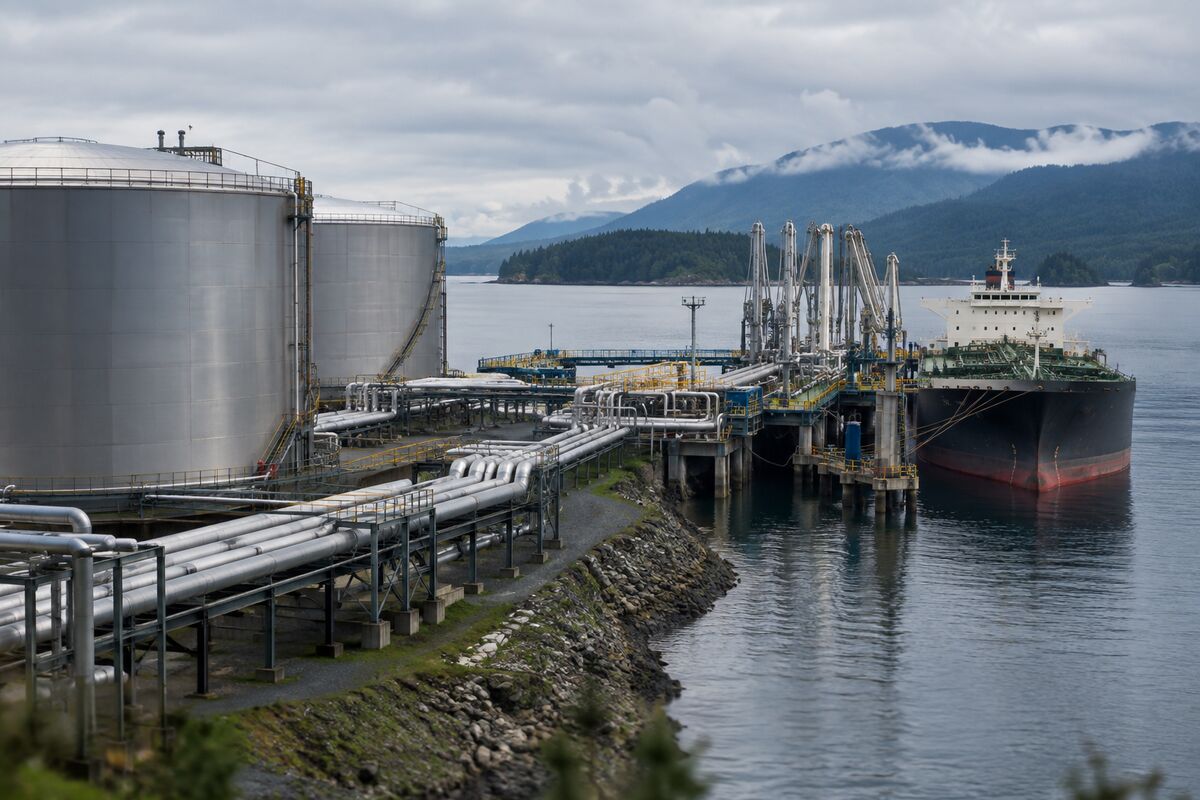
Pipeline expansions are not built on headlines. They are built on commitments. Trans Mountain’s plan to gauge shipper interest by early January is therefore more than an administrative step: it is an early test of whether Canadian producers see enough value in additional export capacity to support a potential expansion.
The distinction matters. Trans Mountain is assessing commercial interest, not announcing a final investment decision, construction approval or completed project. Still, the response from prospective shippers could become an important signal for Canada’s energy market, where transportation access remains central to the investment case for producers and midstream companies.
According to Reuters, Trans Mountain expects to gauge shipper interest by early January for a potential oil pipeline expansion. That places the company at the front end of a process that could eventually determine whether more Canadian crude transportation and export infrastructure is commercially supportable.
Why shipper commitments matter
A pipeline is a long-lived infrastructure asset. Before an expansion can move from concept to execution, its operator needs evidence that customers may use the added service. Shipper interest helps answer a basic commercial question: do producers have enough demand for additional transportation access to support further investment?
That interest can take different forms, but the underlying issue is consistent. Producers need a route to move crude from producing regions toward export markets. A midstream operator, meanwhile, needs confidence that prospective volumes and customer demand could justify the project’s financial and operating requirements. A credible group of prospective shippers would not settle every question, but it could strengthen the case for further evaluation.
The reverse is also true. Limited interest could indicate that producers are uncertain about future output, transportation needs, market conditions or the value of committing to another route. It could also show that potential customers are not yet prepared to make long-term commercial decisions. In either case, the exercise would provide information before a much larger infrastructure decision is made.
An important distinction for investors
Markets often move quickly from an early project signal to assumptions about construction, timing and financial impact. That would be premature here. A gauge of shipper interest is not a final investment decision. It is not construction approval, and it does not mean an expansion has been financed or will be completed.
That separation is especially important for energy investors. A potential expansion can create a framework for evaluating future transportation access, but it does not yet establish project costs, contracted volumes, construction timing or returns. Those issues would need to be addressed through later stages of planning and approval.
The immediate significance is therefore informational rather than operational. The January exercise may clarify whether the industry sees a commercial need for additional capacity. It may also help identify how strongly Canadian producers and other potential customers value access to Trans Mountain’s system. Until those questions are answered, the expansion remains a possibility rather than an operating asset.
Why Canadian producers are watching
For Canadian energy producers, export capacity can influence the range of markets available for crude. Greater transportation access may reduce reliance on a narrower set of routes and could improve the ability to reach customers beyond North America. The potential relevance extends to Asia-Pacific markets, where additional Canadian energy infrastructure could provide another channel for exports.
That does not mean a potential expansion would automatically improve producer economics. The value of new transportation depends on several factors, including customer demand, the terms of service and the broader market environment. It does mean that infrastructure planning can affect how producers assess future production and market access.
For midstream companies, the issue is equally significant. Their businesses depend on moving, storing and connecting energy supplies with end markets. A potential addition to Canada’s export infrastructure could shape competitive dynamics across the transportation system and influence how companies position themselves around future crude flows.
TSX-listed energy and midstream companies may therefore view the development as a sector-level signal rather than an immediate company-specific catalyst. The key question is not whether a project has been declared complete. It is whether the industry is willing to support the next stage of consideration through meaningful shipper interest.
Trans Mountain’s broader infrastructure role
Trans Mountain occupies an important position in Canada’s oil transportation and export infrastructure. Its system connects Canadian crude with export routes, making the company relevant to the country’s broader effort to expand market access for its energy resources.
That role gives the shipper-interest process significance beyond one potential project. It offers an early read on how producers and the wider energy sector are thinking about future transportation requirements. Strong interest could suggest that companies see value in additional access to export markets. More limited interest could encourage a more cautious assessment of demand and investment needs.
Canada’s infrastructure debate has often centered on whether resource production can be matched with dependable routes to customers. A pipeline expansion, if ultimately advanced, would be part of that larger question. But the commercial case must come first, and that case is still being tested.
The market’s next checkpoint
The early-January gauge should be viewed as a checkpoint, not a conclusion. Investors will be looking for evidence that potential shippers are prepared to support further planning, while also recognizing that interest may not translate directly into binding commitments or an approved project.
The most constructive interpretation would be that producers and midstream participants see a durable need for more Canadian crude export capacity. The more cautious interpretation is that the industry is simply exploring its options amid uncertainty over future transportation demand and market access. Both possibilities remain open.
The bottom line is straightforward: Trans Mountain’s initiative could provide an important early signal for Canadian energy infrastructure, but it does not yet change the status of the potential expansion. The commercial conversation has begun. The investment decision has not.
Bull/Bear Verdict
Bull Case: Meaningful shipper interest by early January could strengthen the commercial case for additional Canadian crude export capacity and improve the prospect of greater access to Asia-Pacific markets.
Bear Case: The process remains only a gauge of interest, so limited commitments—or the absence of a later investment decision, financing and approval—could leave the potential expansion commercially unresolved.