
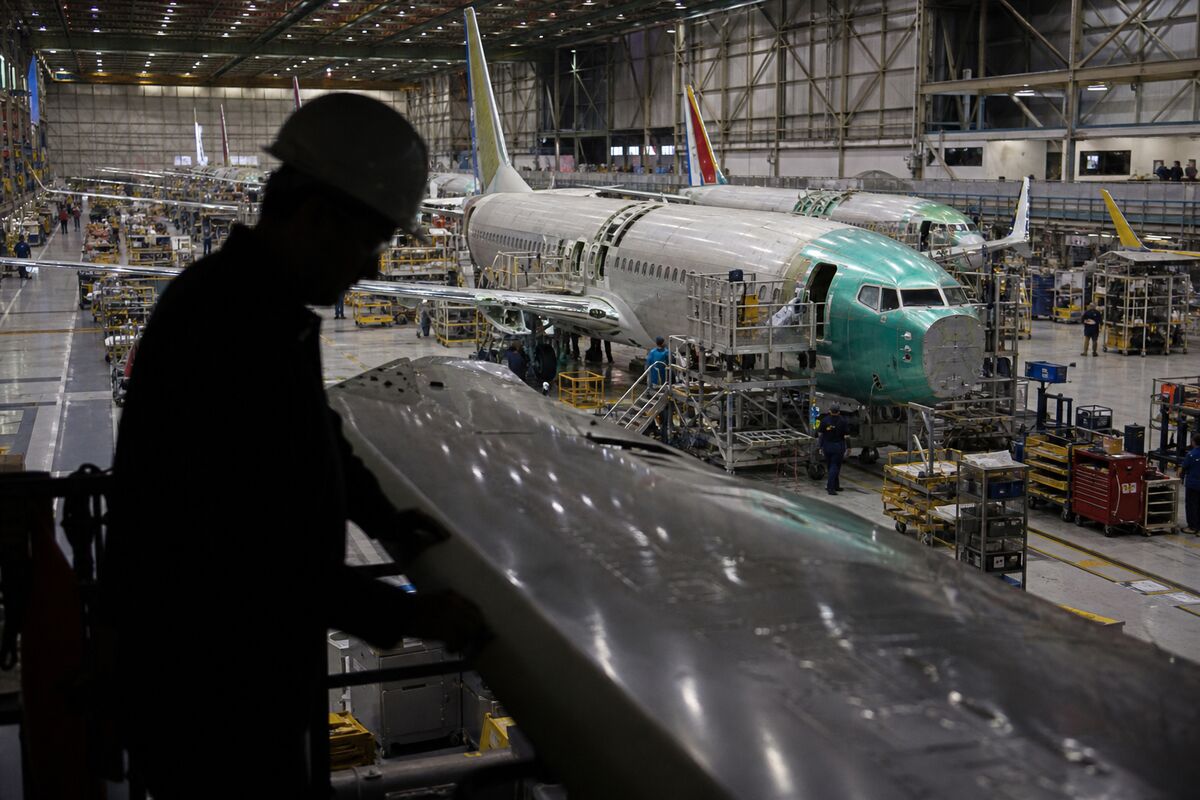
For Boeing, the FAA’s certification of the 737 Max 10 is more than an engineering milestone. It is a regulatory door finally swinging open after years of delay, giving the company a clearer path toward deliveries of the largest aircraft in its 737 family.
The approval could become an important catalyst for $BA because it removes a major uncertainty surrounding one of Boeing’s most closely watched commercial aircraft programs. The opportunity is meaningful—but so is the work still required to turn certification into dependable deliveries and stronger cash flow.
As CNBC reports, the FAA has certified the 737 Max 10 after years of regulatory scrutiny and safety concerns. The aircraft was originally slated to fly in 2020, making the certification a long-delayed conclusion to a chapter that has weighed on Boeing’s operating narrative.
A regulatory cloud begins to lift
Certification clears a key hurdle for deliveries to begin. That distinction matters. Before approval, the Max 10 remained a major commercial program whose path into service was constrained by regulatory review. Now, Boeing has a formal authorization that could allow the company to move from prolonged certification work toward the practical business of delivering aircraft.
That does not mean the program instantly becomes a financial cure-all. Certification is an important gate, not the finish line. Boeing must still execute across production, supplier coordination, customer handoffs and operational readiness. The FAA’s decision reduces one category of uncertainty, but it does not erase the broader execution demands facing the company.
Why investors may care about the delivery pipeline
The most direct potential benefit is a clearer route to delivery activity. Deliveries are the point at which an aircraft program moves from backlog and promise into commercial reality. For Boeing, the Max 10 approval could support the conversion of customer commitments into completed aircraft deliveries, assuming the company can navigate the remaining operational requirements.
That creates a possible read-through for backlog conversion. A long-delayed aircraft can represent opportunity on paper, but its economic value becomes more tangible when production and delivery progress begin to align. The certification therefore gives investors a new milestone to monitor: not simply whether the aircraft is approved, but how effectively Boeing translates that approval into a steady delivery cadence.
Cash flow is the other part of the equation. The assignment provides no financial figures, so the size or timing of any benefit cannot be quantified here. Still, the logic is clear: if certification helps unlock deliveries, it could support Boeing’s broader effort to recover cash flow. The potential is conditional, dependent on execution rather than guaranteed by the approval itself.
A wider signal for the U.S. aerospace supply chain
The Max 10 decision may also matter beyond Boeing’s own balance sheet. A return toward delivery activity could provide a constructive signal for the U.S. aerospace supply chain heading into year-end, particularly for businesses connected to aircraft production and support. The effect should be viewed as a possible read-through, however, not proof of an immediate or uniform improvement across suppliers.
The history of the program argues for measured optimism. The aircraft faced years of delay amid safety scrutiny, and that record means every next step will be watched closely. Boeing’s challenge now is to demonstrate that regulatory clearance can be followed by consistent execution.
For $BA, the certification removes a significant regulatory overhang and improves the visibility of the path ahead. It may strengthen the case for delivery activity, backlog conversion and eventual cash-flow recovery. But the market is likely to judge the company on what comes next: disciplined production, customer delivery progress and evidence that the Max 10 can move from approved aircraft to functioning business catalyst.
Bull/Bear Verdict
Bull Case: FAA certification removes a major regulatory overhang and could help Boeing begin 737 Max 10 deliveries, supporting backlog conversion and a possible recovery in cash flow.
Bear Case: The aircraft’s years of delay and safety scrutiny suggest execution risks remain; certification alone may not produce consistent deliveries or meaningful cash-flow recovery without follow-through.