
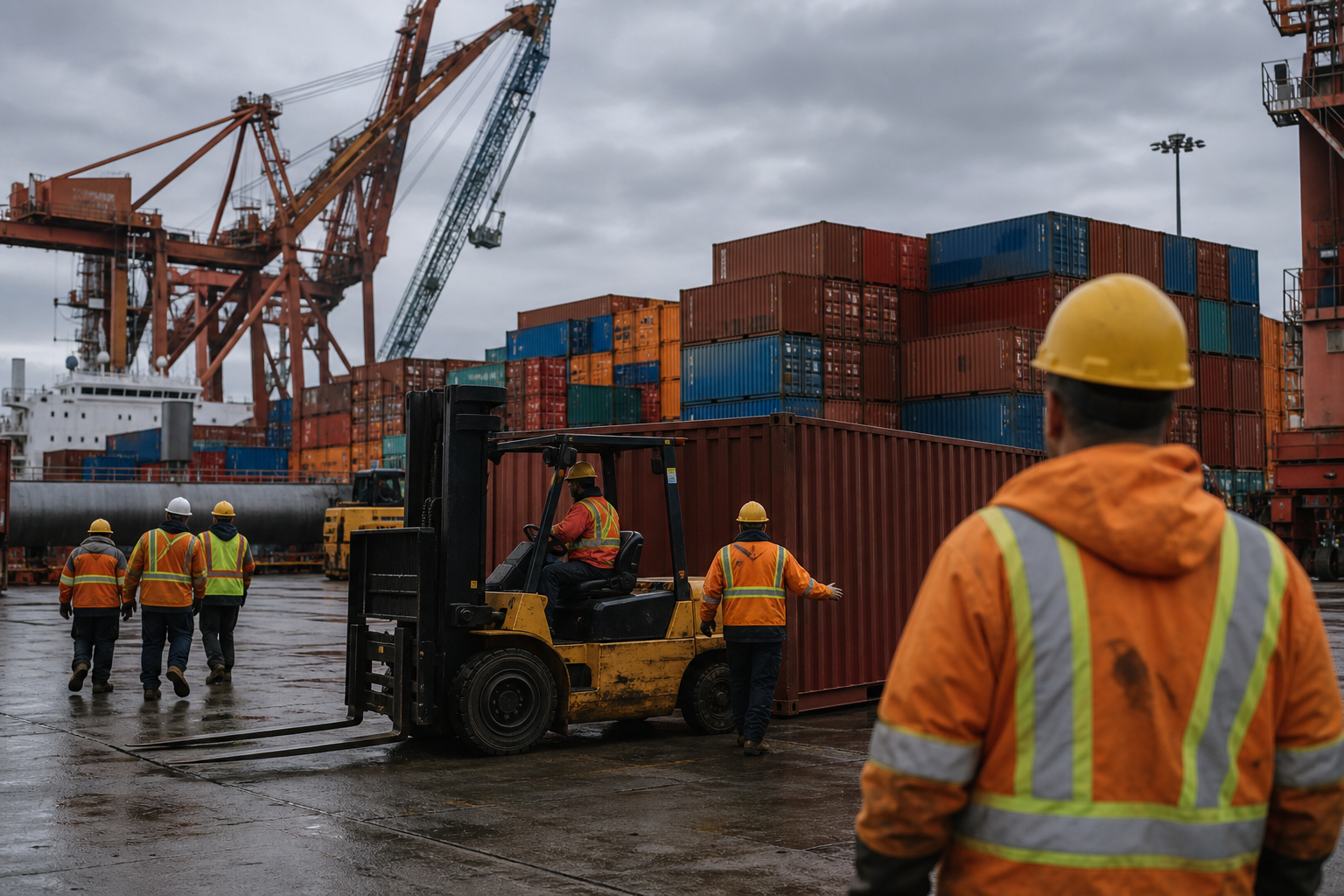
In the ever-evolving landscape of North American trade, U.S. Trade Representative Jamieson Greer’s recent testimony before the Senate Finance Committee on July 22, 2026, has stirred the pot of investor sentiment. With the U.S.-Mexico-Canada Agreement (USMCA) negotiations at the forefront, Greer emphasized a renewed urgency in bolstering North American manufacturing, a move that could reshape the fabric of trade relations across the continent.
However, the announcement of a staggering 50% tariff on selected Canadian goods has sent shockwaves through the markets, particularly impacting the USD/CAD currency pair. The news ignited significant volatility, reflecting the financial community's heightened anxiety over potential trade repercussions. As the market absorbed this shock, the USD/CAD pair exhibited some resilience, finding support near the 200-hour moving average, a technical indicator that suggests a temporary halt in its downward trajectory.
Tariffs and Their Ripple Effect
The introduction of these hefty tariffs could have far-reaching implications for Canadian exporters. With the U.S. imposing 50% tariffs on select goods, the immediate fallout is a palpable sense of uncertainty among investors and businesses alike. Greer’s comments point to a shift in strategy, suggesting that the U.S. is not just passively negotiating but rather actively seeking to recalibrate its trade dynamics with Canada.
This strategic pivot comes at a time when Canadian businesses are grappling with the ramifications of such tariffs. The volatility in the USD/CAD is a reflection of the broader market's response to these developments. As the currency pair spiked following the tariff announcement, the fluctuations have left many wondering how this will play out for Canadian trade in the long term.
Technical Analysis: USD/CAD Resilience
Despite the turbulence, the USD/CAD has found a semblance of stability, bouncing back from its initial drop and finding support near the 200-hour moving average. This level has historically served as a critical point for traders, indicating that while the market remains sensitive to trade risks, there are buyers willing to step in at these levels. The ability of the currency pair to maintain this support could suggest a temporary reprieve for Canadian goods amidst the tariff storm.
Traders and investors will be keenly watching how the USMCA negotiations unfold in the coming weeks, particularly in light of Greer’s insistence on moving forward with “all due speed.” The outcome of these discussions could either exacerbate the current tensions or pave the way for a more harmonious trading environment. For those with stakes in the USD/CAD, the implications of these negotiations are particularly relevant.
As the dust settles from the tariff announcement and the ongoing negotiations continue, one thing is clear: the landscape of North American trade is shifting, and both investors and businesses must remain vigilant in navigating this new reality. The road ahead may be fraught with challenges, but it could also present opportunities for those who are prepared to adapt.
For further insights into Greer's testimony and the evolving trade landscape, visit InvestingLive.