
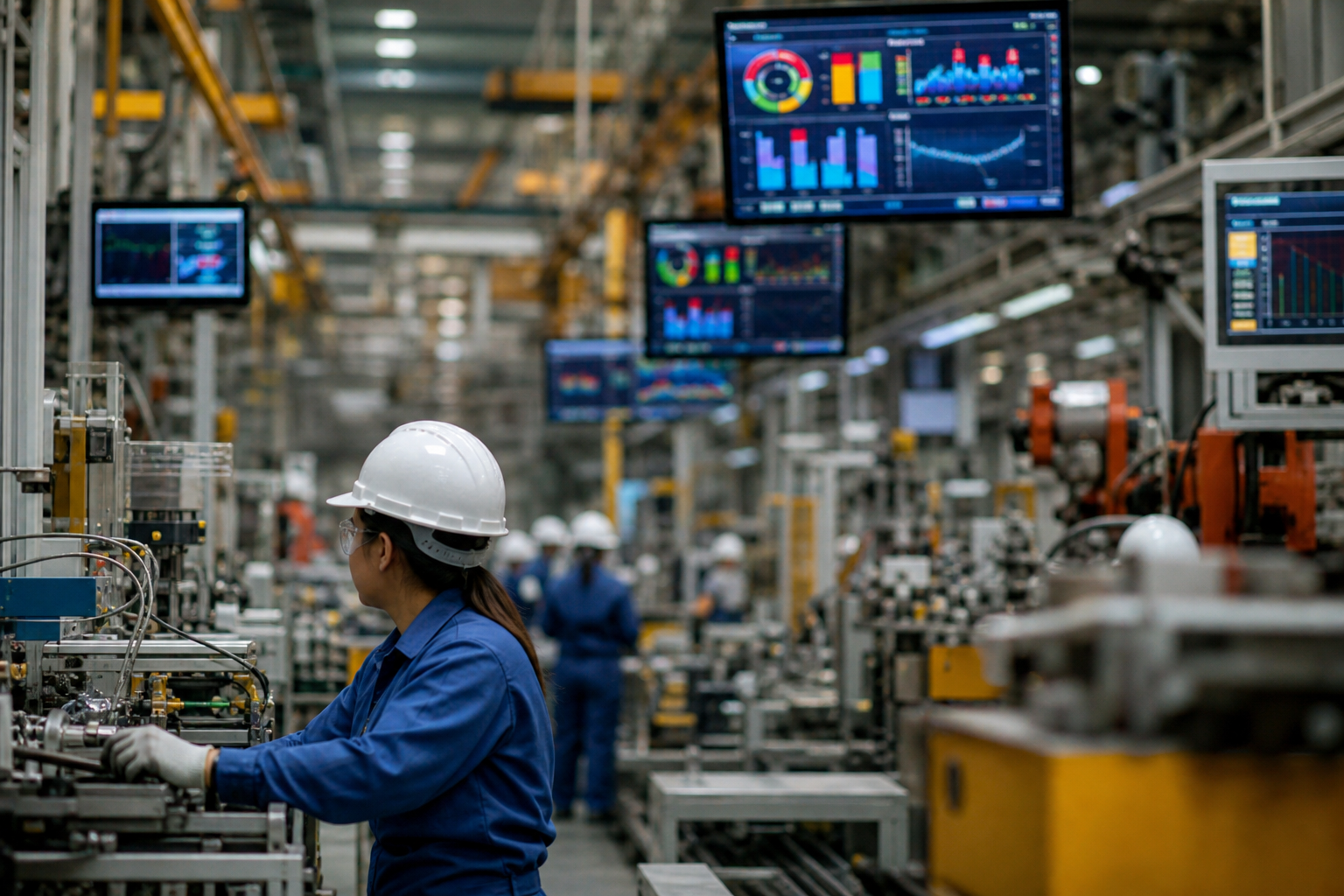
In a world where economic forecasts often ride the rollercoaster of uncertainty, July's factory orders report has emerged as a bright beacon of resilience. The data reveals a significant 0.9% increase in factory orders, surpassing analysts' expectations of a 0.6% rise. This uptick follows a prior month where orders had dipped 0.2%, a revision from an earlier estimate of a 0.3% drop. The numbers suggest that the manufacturing sector is not merely surviving but is buoyantly navigating the choppy waters of economic fluctuations.
The implications of this rise extend far beyond the factory floor. This robust performance in factory orders underscores a growing confidence among businesses in their capacity to invest and expand, suggesting that the economy is gathering steam. Such optimism could potentially ripple through various sectors, impacting everything from supply chains to consumer spending. Notably, durable goods orders, which are often viewed as a bellwether for economic health, also reflected strength, with a 1.1% increase aligning perfectly with preliminary estimates. Furthermore, durable goods orders excluding defense and transportation both marked healthy gains, indicating a broad-based demand.
Manufacturing Resilience and Business Investment
At its core, this surge in factory orders may signal that U.S. manufacturing is not only resilient but possibly on the brink of a renaissance. Businesses seem to be responding to a stabilizing economic environment, with increased orders hinting at heightened investment in capital goods. This investment is critical for fostering long-term growth, as it lays the groundwork for future production capabilities. The resilience shown in the manufacturing sector could also help bolster job growth, as companies may need to hire additional staff to meet rising demand.
The data becomes even more compelling when viewed through the lens of the current economic landscape. With inflationary pressures still a concern, the Federal Reserve has been navigating its monetary policy with caution. The latest factory orders report could provide the Fed with the ammunition it needs to maintain its current trajectory, or perhaps even reconsider its approach. If the manufacturing sector continues to show strength, it may embolden the Fed to adopt a more hawkish stance on interest rates, especially if they perceive that consumer demand is robust enough to handle potential rate increases.
Impact on Federal Reserve Policy and Market Expectations
The Federal Reserve's policy decisions are, of course, closely tied to the overall economic performance, and the July factory orders report may very well play a pivotal role in their next moves. A sustained increase in manufacturing activity could shift market expectations, leading traders to anticipate a firmer stance on interest rates. If the Fed feels confident in the resilience of the economy, it could opt to raise rates sooner rather than later, potentially influencing everything from mortgage rates to corporate borrowing costs.
In conclusion, the 0.9% increase in factory orders for July paints a picture of a manufacturing sector in robust health. This data not only highlights the strength of U.S. manufacturing but also signals potential shifts in Federal Reserve policy that could reverberate through the markets. Investors will undoubtedly keep a keen eye on these developments, as the interplay between manufacturing strength and monetary policy continues to shape the economic narrative.
For those interested in the details of the factory orders report, you can find more information here.