
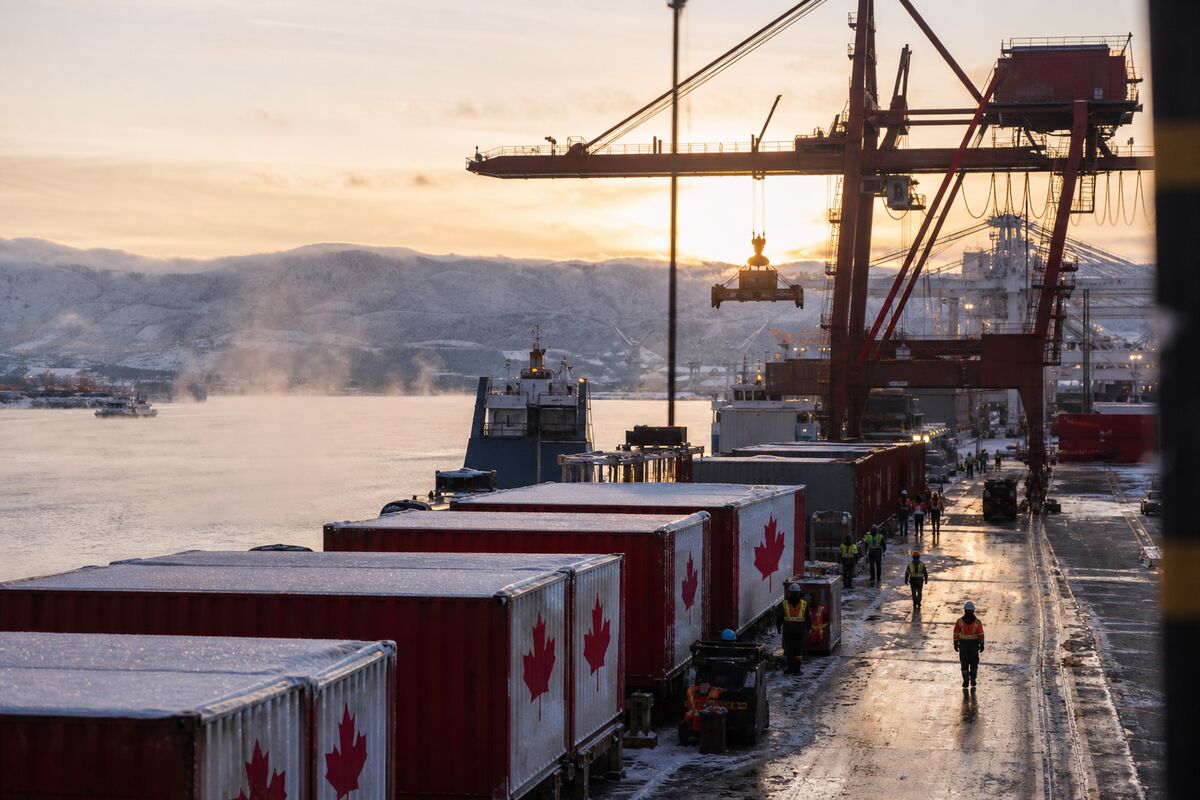
The recent collapse of trade talks between the U.S. and Canada has opened a Pandora's box of economic repercussions, with the Trump administration's announcement of a staggering 50% tariff on selected Canadian exports. This turbulent turn of events not only signals a regression in diplomatic relations but also raises the specter of significant disruptions across multiple sectors of the economy.
As the dust settles from this diplomatic debacle, the implications for Canadian exports loom large, particularly for industries such as energy, lumber, auto parts, and agriculture. With the new tariffs now in effect, the resilience of these sectors will be put to the test, and the ripple effects could be felt deep within the heart of the Canadian economy.
The Impact on Canadian Exports
At the forefront of this unfolding narrative is the staggering 50% tariff that will be levied on a range of Canadian exports. The immediate impact could be profound, especially for sectors that are already grappling with tight margins. For instance, the energy sector, a cornerstone of Canada’s economic framework, may face heightened costs that could stifle growth and innovation.
The lumber industry, which has historically been a contentious point in U.S.-Canada trade relations, could also see its competitive edge erode as prices inflate due to these new tariffs. This could lead to a reduction in export volumes and a potential shift in supply chains as U.S. companies scramble to find alternative sources.
Sector-Specific Effects
Companies listed on the TSX, particularly those in the auto parts and agriculture sectors, could find themselves navigating uncharted waters. The auto parts industry, which relies heavily on cross-border trade for its supply chain, may face increased costs that could ultimately be passed on to consumers. Meanwhile, agricultural producers may find themselves in a precarious position, as the tariffs could lead to decreased demand from their largest trading partner.
As Canadian exports face these new barriers, the potential for a weakened Canadian dollar becomes increasingly pronounced. A depreciation of the currency could trigger inflationary pressures within Canada, impacting consumers and businesses alike as the cost of imports rises.
U.S. Companies Feeling the Pressure
Interestingly, the fallout from these tariffs doesn't solely impact Canadian companies; U.S. businesses that rely on Canadian inputs may also feel the sting. With the added costs of tariffs, U.S. manufacturers could see their margins tighten, leading to potential increases in consumer prices. This situation presents a complex dilemma for American businesses, as they grapple with the reality that a trade war could hurt their bottom line.
Looking Ahead
The collapse of U.S.-Canada trade talks and the subsequent implementation of 50% tariffs serve as a stark reminder of the fragility of international trade relationships. As both nations reflect on the ramifications of this breakdown, the road ahead will require careful navigation to avoid further economic downturns. The effects of these tariffs will ripple through markets, impacting consumers and businesses on both sides of the border.
In this environment of uncertainty, stakeholders will be closely monitoring developments, seeking to understand how these tariffs will reshape the landscape for Canadian exports and U.S. reliance on those imports. With high stakes involved, the next chapter in U.S.-Canada trade relations remains to be written.
Source