
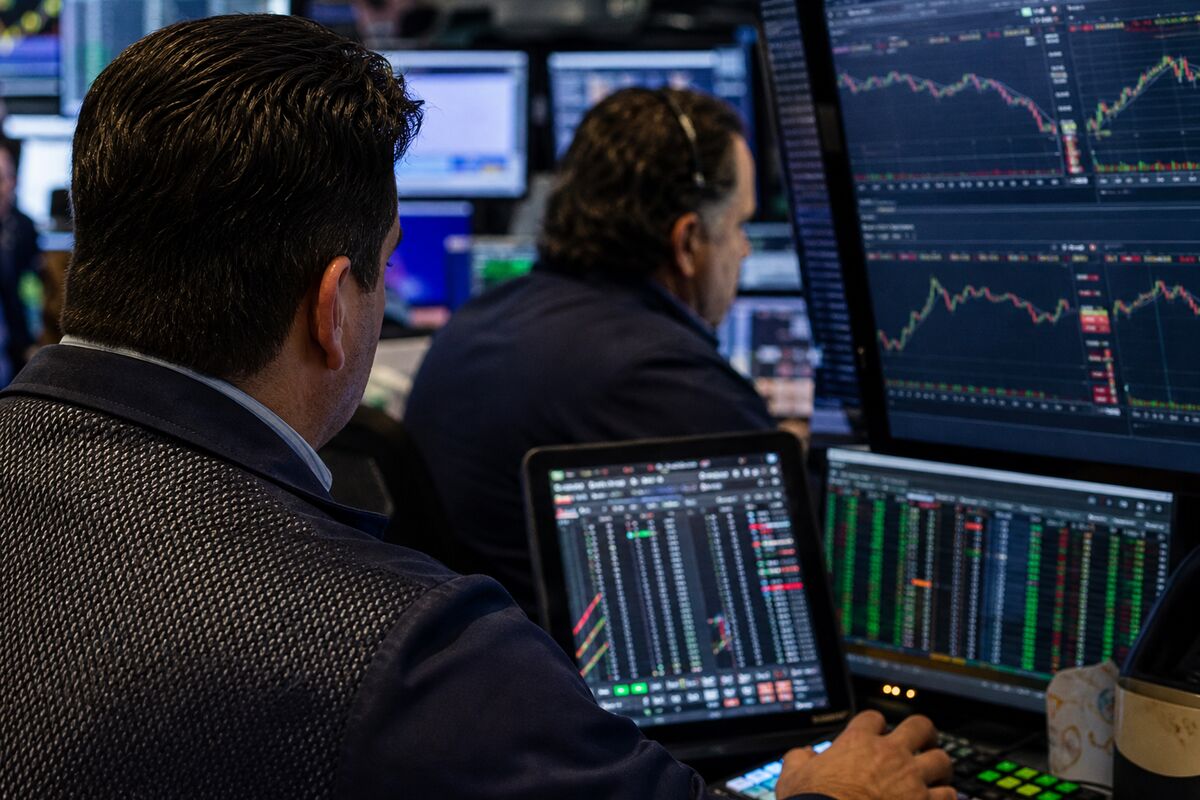
The S&P 500 finds itself in a nail-biting standoff at the 7,500 mark, a level that seems to have morphed into a battlefield for traders and investors alike. Options traders in Chicago are playing a strategic game of chess, buying dips below this threshold while simultaneously selling rallies above it. This tug-of-war not only reflects the market’s uncertainty but also highlights how the options market is shaping the decisions of those navigating these choppy waters.
As July draws to a close, the implications of this stalemate are profound. The US stock indices wrapped up the month on a high note, but they did so while hovering perilously close to key technical levels. The options market is acting as a crucial influencer of the S&P 500's trajectory, suggesting that the next move won’t just be a matter of momentum but will hinge significantly on trader behavior and market sentiment.
The 7,500 Level: A Technical Battleground
The significance of the 7,500 level cannot be overstated; it is more than just a number. It represents a psychological barrier for investors, a line in the sand that demarcates bullish and bearish sentiment. With options traders pushing to buy dips under 7,500, it suggests a belief that this level serves as a support mechanism, at least for now. However, the act of selling rallies above this point indicates a readiness to capitalize on potential downturns, maintaining a cautious yet opportunistic stance.
Options Market Dynamics: Shaping Market Movements
The interplay between the options market and the S&P 500 is a dance of sorts, where every move is dictated by the collective sentiment of traders. The current environment is characterized by a heightened sense of volatility and uncertainty. As options traders react to market fluctuations, they can inadvertently influence the broader market's direction.
Traders are keenly aware that a breakout above 7,500 could trigger a wave of buying, while a breakdown could stir panic and lead to a sell-off. This duality creates a fertile ground for speculation, as market participants weigh the potential for profit against the risks of loss. The options market, thus, acts as a barometer of trader sentiment, reflecting fears and hopes as they manifest through buying and selling behaviors.
Potential Catalysts for Movement
Looking ahead, several catalysts could propel the S&P 500 either over that critical 7,500 threshold or send it tumbling down. Economic data releases, earnings reports from key companies, and geopolitical events can all serve as triggers for significant market moves. Each piece of news can either reinforce the current standoff or catalyze a shift in sentiment, providing the necessary impetus for traders to push the index decisively in one direction or the other.
As the market stands at this pivotal juncture, investors and traders alike will be keeping a close eye on economic indicators and corporate earnings that could influence their strategies. The outcome of this standoff may very well set the tone for the months to come, making it essential for market participants to stay informed and agile.
In conclusion, the S&P 500's position at 7,500 embodies both the challenges and opportunities present in today’s market. Options traders are shaping the narrative, and their actions could lead to a decisive breakout or a disheartening breakdown. As we move forward, understanding the dynamics at play will be crucial for navigating this complex landscape.
For more insights on the options market and its impact on the S&P 500, check out the full analysis on CNBC.