
Wall Street is being asked to price three threats at once: a widening US-Iran conflict, unstable oil markets and a Treasury market suddenly flashing a more serious warning. The S&P 500 ended marginally lower as investors weighed those pressures, but the modest headline move does not make the underlying setup benign.
For US traders, the issue is not simply whether equities finish slightly up or down. It is whether geopolitical escalation and sharply higher yields begin reinforcing each other. That combination can expose the market’s most rate-sensitive areas, accelerate sector rotation and make positioning ahead of the next Federal Reserve decision considerably more difficult.
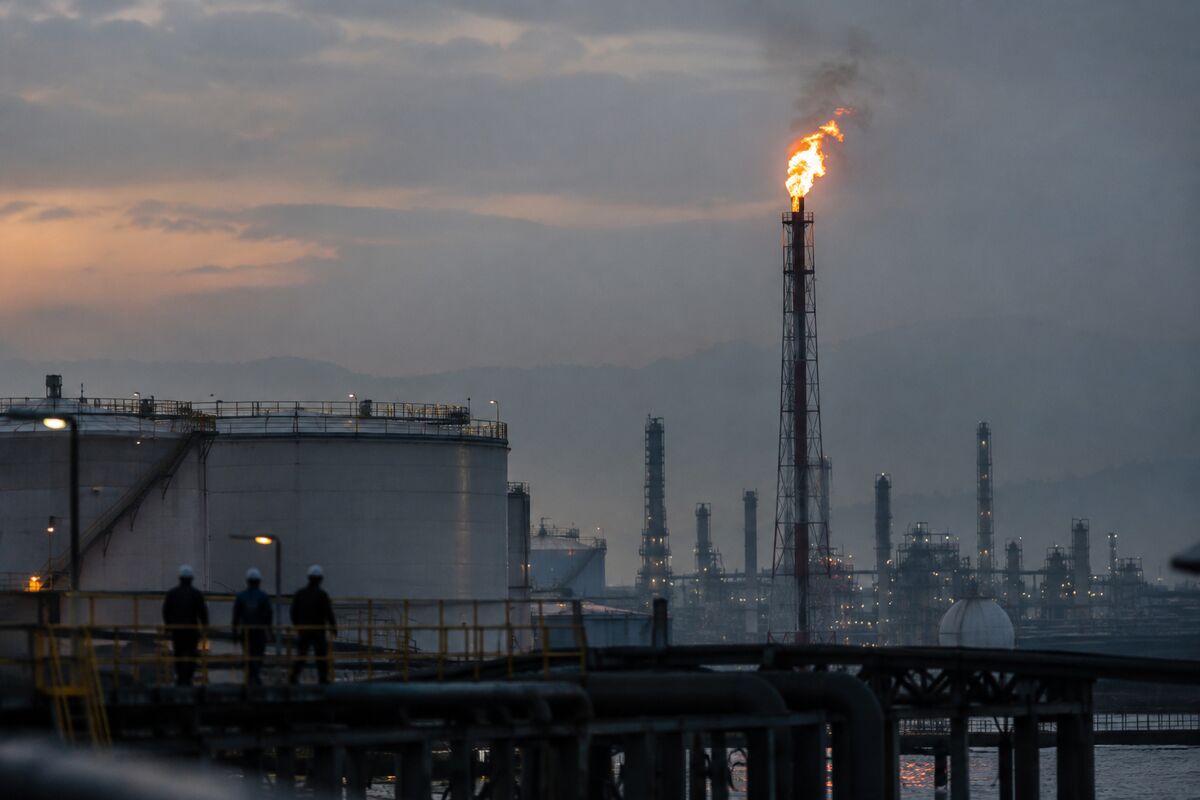
The immediate catalyst is the US-Iran war and the broader uncertainty surrounding the Middle East. Hopes for a truce have competed with fears of further escalation, producing volatility in oil prices. That matters well beyond the energy market. Oil is a global input cost, an inflation signal and a geopolitical barometer. When its direction is being driven by developments that can change rapidly, equity traders are forced to assess both economic consequences and headline risk.
The market’s marginal decline in the S&P 500 suggests investors have not abandoned equities outright. It does indicate, however, that conviction may be limited while the conflict remains unresolved and oil prices remain volatile. A truce could ease some pressure, while a deterioration in the situation could renew concerns about inflation and economic disruption. Neither path offers traders a clean signal.
The Treasury market is the bigger warning
The more consequential development may be in government bonds. The 10-year Treasury yield has surged to levels not seen in years, raising concern that rapidly rising rates could become a warning sign for financial markets. As CNBC’s market analysis notes, history has repeatedly shown that financial stress can emerge when rates rise rapidly.
That historical parallel deserves attention without being treated as a prediction. Higher Treasury yields can tighten financial conditions and change the valuation arithmetic applied to US equities. The effect may be particularly visible in areas whose market value is more sensitive to interest-rate expectations. At the same time, sectors that appear better positioned for inflationary pressure or higher nominal growth may attract relative interest, creating a rotation beneath the index’s surface.
This is where the geopolitical and rates stories intersect. Middle East tensions can support oil volatility, while oil volatility can complicate the inflation outlook. A more difficult inflation backdrop could keep yields elevated, and elevated yields can in turn increase pressure on equity valuations. The feedback loop is not guaranteed, but it is precisely the type of mechanism traders monitor when a market’s daily index move appears calm while its internal risks are rising.
Positioning before the next Fed decision
The next Federal Reserve decision now arrives against a more complicated backdrop. Traders must weigh conflict-related uncertainty, the oil market’s reaction and the signal from a 10-year yield that has moved to levels not seen in years. That makes broad directional conviction harder to justify from the available information.
Sector rotation may remain a central feature of trading. The S&P 500 could hold relatively steady while investors move between areas exposed to rates, inflation and geopolitical developments. Portfolio risk management therefore becomes less about a single market call and more about recognizing that correlations can change when yields rise quickly and headlines dominate price discovery.
The bottom line is straightforward: the S&P 500’s marginal decline understates the significance of the forces now shaping US markets. Oil volatility tied to the US-Iran conflict and a sharp rise in the 10-year Treasury yield have created a more fragile trading environment. Until the geopolitical picture and the Fed outlook become clearer, volatility and rotation may matter more than the index’s next small move.
Bull/Bear Verdict
Bull Case: The S&P 500’s marginal decline may indicate that investors are absorbing the US-Iran conflict and oil volatility without a broader equity retreat, while hopes for a truce could ease geopolitical pressure.
Bear Case: The 10-year Treasury yield’s surge to levels not seen in years, combined with volatile oil prices and a widening conflict, could intensify equity volatility and sector rotation ahead of the next Fed decision.