
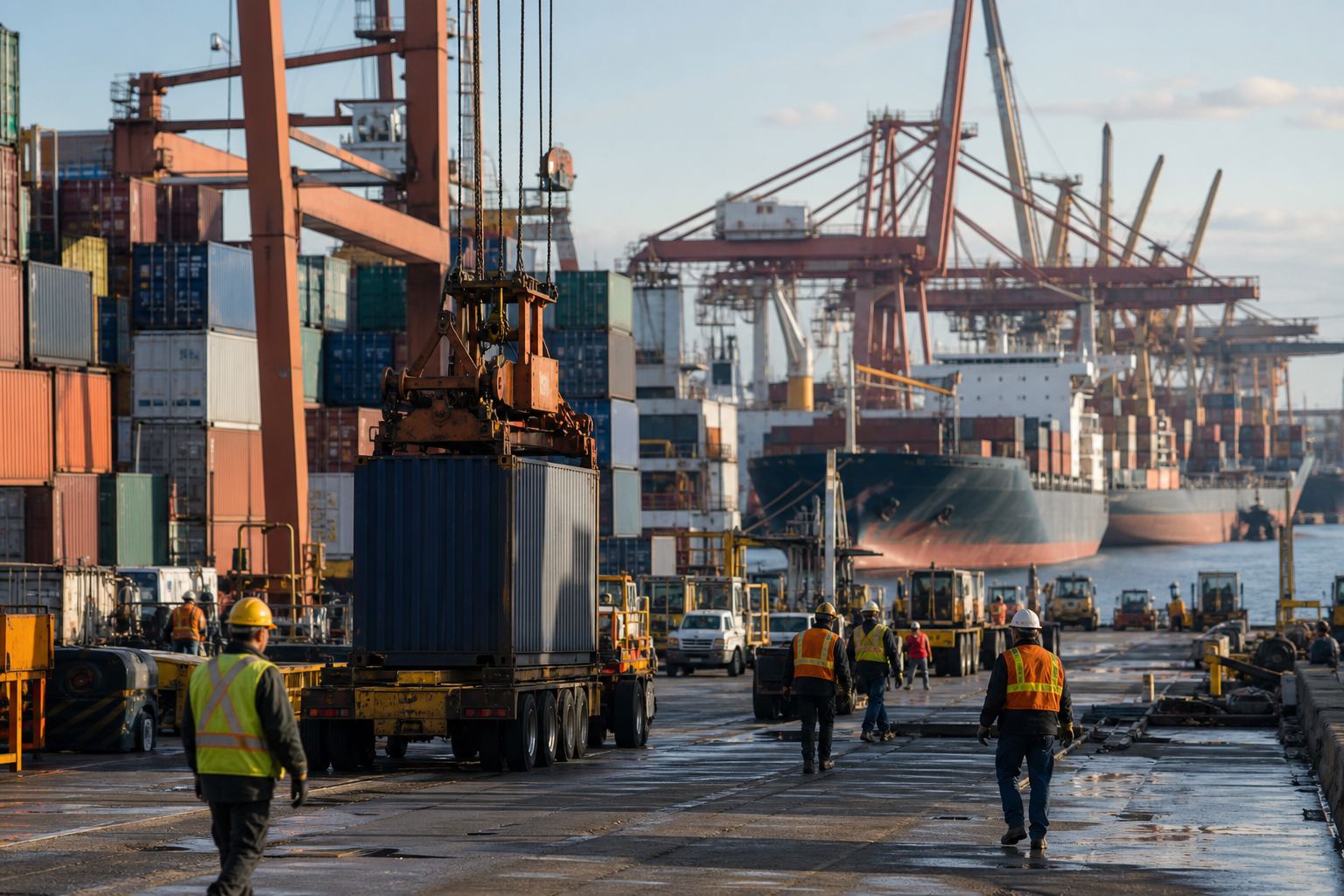
In a landscape where economic winds can shift with the flap of a butterfly's wings, the latest warnings from Bank of Canada Governor Tiff Macklem echo like thunder across the Canadian financial plains. If the United States chooses to maintain its new tariffs, Macklem cautions that Canada’s fourth-quarter GDP growth could tumble below the precarious threshold of 1%. For investors, this isn’t just a statistic; it’s a clarion call to reassess strategies in a market that could be grappling with the ramifications of external pressures.
The stakes are high. With Canadian exports heavily intertwined with the US economy, the implications of these tariffs stretch far beyond the confines of policy rooms in Ottawa and Washington. In Macklem’s analysis, if the tariffs remain in place, they may effectively halve Canadian growth, leaving the nation’s economy gasping for air. Investors should thus keep a keen eye on how these developments may ripple through the Toronto Stock Exchange ($TSX) and beyond.
Rising Oil Prices and Inflation's Stubborn Grip
As if the specter of US tariffs wasn’t daunting enough, the specter of rising oil prices looms large over the Canadian economy. Macklem pointed to a potential stabilization of oil prices near the $100 mark per barrel, a level that could breathe new life into inflationary pressures. Such a scenario could create a double-edged sword for the Canadian economy. While energy stocks may see a temporary boost, higher fuel prices could translate into escalated costs for consumers, thereby stifling spending and economic growth.
In the intricate dance of markets, inflation doesn’t just impact consumers; it also shapes investor sentiment. With inflation edging up, the Bank of Canada may be forced to consider more aggressive monetary policies, which could affect interest rates and, consequently, borrowing costs. Investors in sectors that are sensitive to interest rate changes should remain vigilant as these dynamics unfold.
Implications for Canadian Equities
The implications for Canadian equities are profound, particularly for those companies that rely heavily on exports and energy production. As the tariffs could sap demand for Canadian goods across the border, companies in the manufacturing and export sectors may find themselves at a crossroads. The rising cost of oil could also squeeze margins for businesses that rely on energy inputs, which may translate to weaker earnings reports as the fiscal year draws to a close.
Furthermore, with the Canadian dollar often moving in tandem with oil prices, currency exposure will be a critical factor for investors to consider. A stronger Canadian dollar could make exports less competitive, while a weaker dollar could increase the cost of imports, further complicating the economic landscape.
Looking Ahead
As we navigate these turbulent waters, investors must remain nimble and informed. The potential for a slower growth rate, coupled with rising inflationary pressures from oil prices, creates a complex environment that could lead to volatility across the TSX. The interconnectedness of these factors suggests that the coming months will require careful monitoring and possibly re-evaluated strategies.
In a world where economic data can shift perceptions and market trajectories almost overnight, the warnings from the Bank of Canada should serve as a vital reminder of the fragility of growth. As we brace for what might be a challenging fourth quarter, the question remains: how will Canada respond to the pressures from our southern neighbor, and what will that mean for the investors betting on the Great White North?
Source