
The market is at a crossroads, caught between the rising tide of geopolitical tensions and the unexpected fluctuations in oil inventories. The S&P 500 Index ($SPX) dipped by 0.13%, while the Nasdaq 100 ($IUXX) fell 0.48%. This reaction underscores a palpable shift in investor sentiment, as uncertainty looms large over the horizon.
While the broader markets faced headwinds, the Dow Jones Industrial Average ($DOWI) displayed a measure of resilience, gaining 0.15%. This divergence hints at underlying strength in certain sectors, but the question remains: can this be sustained amidst escalating global tensions and fluctuating energy prices?
Oil Prices and Geopolitical Pressures
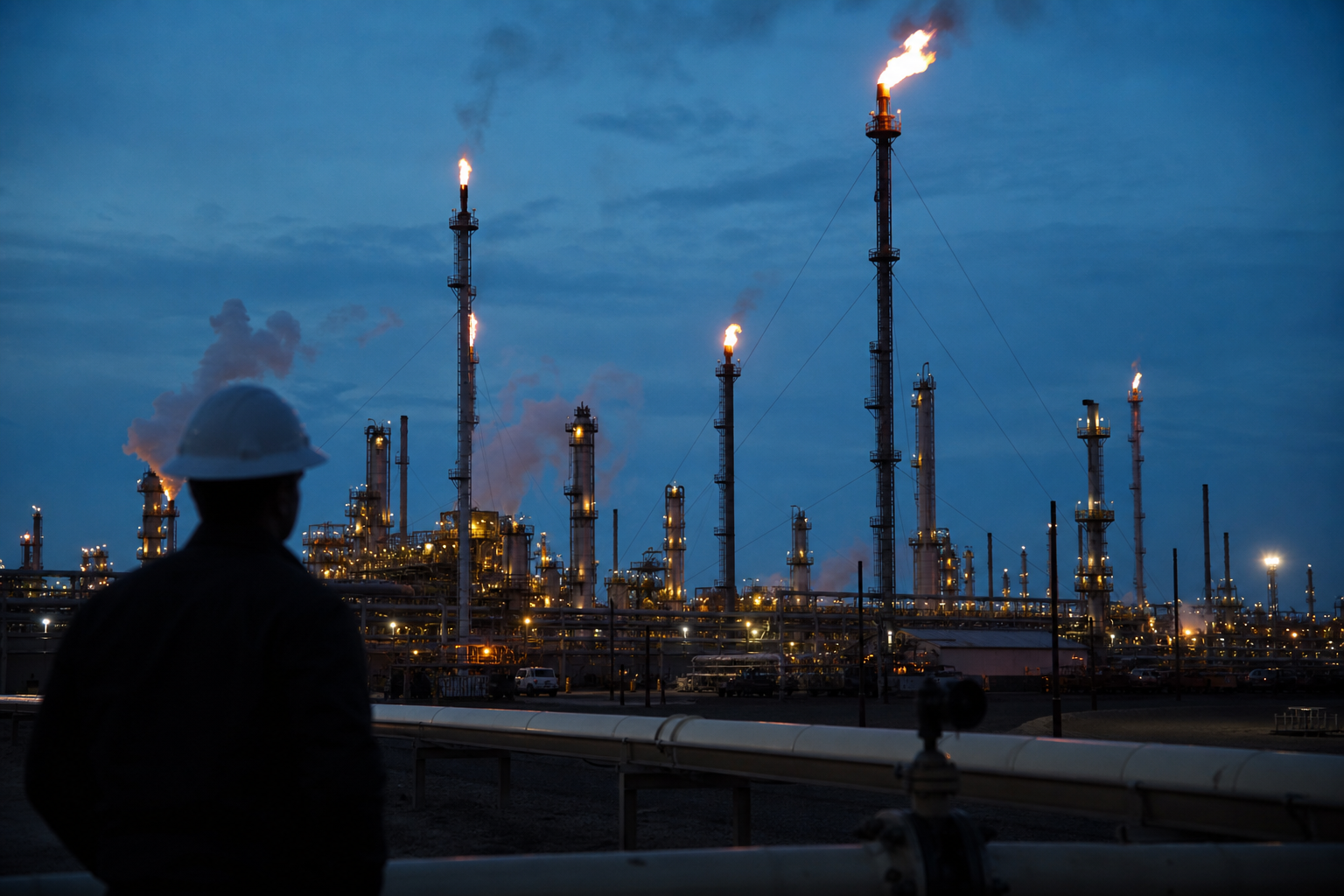
Recent developments have shown crude oil inventories rising unexpectedly by 2.010 million barrels, a stark contrast to the pre-report estimates that anticipated a decrease of 1.052 million barrels. This unexpected build in inventory typically suggests a surplus in supply; however, it has been overshadowed by mounting geopolitical risks. Specifically, threats from President Trump regarding potential retaliatory strikes on Iranian infrastructure for any attacks in the Strait of Hormuz have amplified concerns over oil supply disruptions, pushing prices higher despite the inventory surge.
Market Reactions
The S&P 500's slight decline reflects a cautious approach among investors, who are weighing these geopolitical risks against potential economic growth. The Nasdaq's steeper drop may indicate a particular vulnerability in technology stocks, which often react strongly to shifts in market sentiment and external pressures. Meanwhile, the Dow's ability to gain amidst a generally bearish environment suggests that certain blue-chip stocks may be viewed as safe havens.
The current landscape is reminiscent of past market cycles where geopolitical events have caused rapid shifts in sentiment and volatility. Investors must navigate these waters carefully, as the interplay between oil prices and geopolitical tensions could dictate market movements in the short term.
Looking Ahead
As we look to the future, the question is whether the market can find stability amid these pressures. The rise in oil prices, driven by geopolitical anxieties, could lead to increased costs for consumers and businesses alike, potentially stymying economic growth. Conversely, if tensions ease and supply remains steady, we could see a rebound in investor confidence.
In summary, while the S&P 500 and Nasdaq are reacting negatively to current events, the Dow's resilience offers a glimmer of hope. Investors should closely monitor developments in both the geopolitical arena and oil markets to gauge their potential impact on broader market trends.
For further insights into the current market dynamics, you can read more here.