
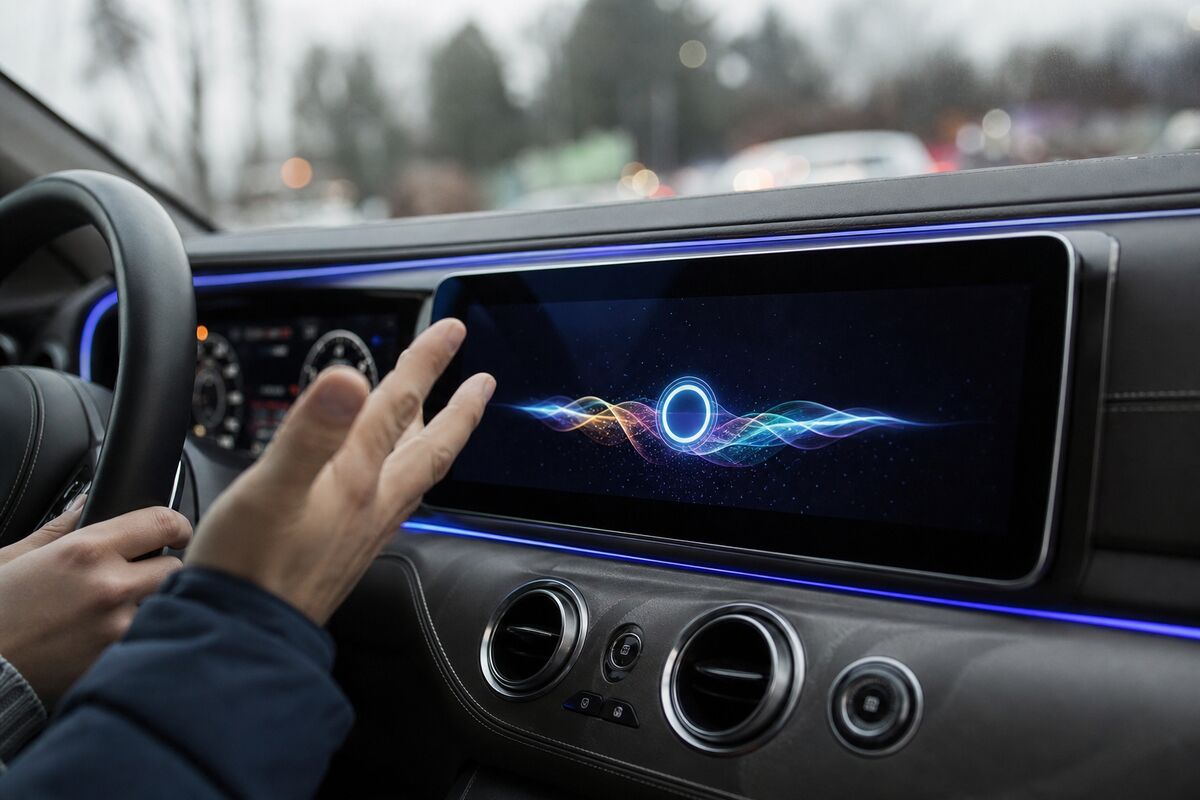
In a bold move that could reshape the automotive landscape, General Motors (GM) is gearing up to unveil a proprietary in-vehicle artificial intelligence system later this year. This initiative is not just about keeping pace with competitors; it's about redefining the driving experience and enhancing customer satisfaction in a market increasingly dominated by technological innovation.
As the automotive sector races toward a future where AI is integral to vehicle functionality, GM's entry into this arena suggests a strategic pivot that could give the company a competitive edge. Unlike third-party AI solutions, which often come with the baggage of universal application and lack the specificity that automakers might need, GM aims to tailor its AI capabilities to the unique preferences of its customers. This bespoke approach positions GM not just as a participant in the AI revolution but as a potential leader.
Charting a New Course in AI
At the heart of GM's strategy is the recognition that customer experience is paramount. By developing an AI system that is deeply integrated with its vehicles, GM is not only enhancing the functionality of its cars but also creating a more personalized driving experience. This initiative, as reported by CNBC, could allow GM to differentiate itself from competitors like Tesla, which has heavily relied on third-party solutions. The implications for shareholders are significant: a successful rollout of this AI system could potentially improve profit margins and drive up the stock price as consumer demand for smarter vehicles grows.
Competitive Positioning Against Tesla
Tesla has set the bar high in the automotive AI space, with its Autopilot and Full Self-Driving capabilities capturing the imagination of consumers and investors alike. GM's challenge is to not only match this technological prowess but to offer something distinct that resonates with its customer base. By focusing on an in-house AI system, GM aims to reduce dependency on external tech providers, which could streamline operations and enhance profit margins.
This move could also allow GM to leverage its vast data resources more effectively. With real-time feedback from its customer base, GM's AI can evolve and adapt more quickly than a third-party solution that may not fully align with GM's strategic goals.
The Broader Implications for Shareholders
The introduction of a proprietary AI system is more than just a technical upgrade; it's a strategic maneuver that could redefine GM's market positioning. For shareholders, this development suggests a potential increase in the company’s valuation as it may lead to enhanced consumer loyalty and market share. With the automotive sector increasingly leaning towards automation and AI, GM's proactive stance could see it emerge not just as a player, but as a frontrunner in the automotive technology race.
Impact on Margins and Market Differentiation
As GM embarks on this journey into AI, the focus on proprietary technology may have far-reaching implications for its profit margins. By reducing reliance on third-party solutions, GM could lower operational costs and enhance profitability. Furthermore, a unique in-vehicle AI system could serve as a powerful differentiator, setting GM apart in a crowded marketplace where consumers are increasingly discerning about the technology that powers their vehicles.
In summary, GM's impending launch of its in-vehicle AI system is poised to be a game-changer, not only for the company but for the entire automotive sector. As it navigates this complex landscape, the potential for improved margins, enhanced customer experiences, and a stronger competitive position against industry giants like Tesla could very well position GM as a leader in the automotive technology domain. Shareholders should keep a watchful eye on how this strategy unfolds, as it could redefine the future of one of America’s most storied automakers.
Bull/Bear Verdict
Bull Case: GM's proprietary AI system could enhance customer satisfaction and drive revenue growth, potentially boosting stock prices.
Bear Case: The challenge of competing with Tesla's established AI solutions may limit GM's market impact and shareholder returns.