
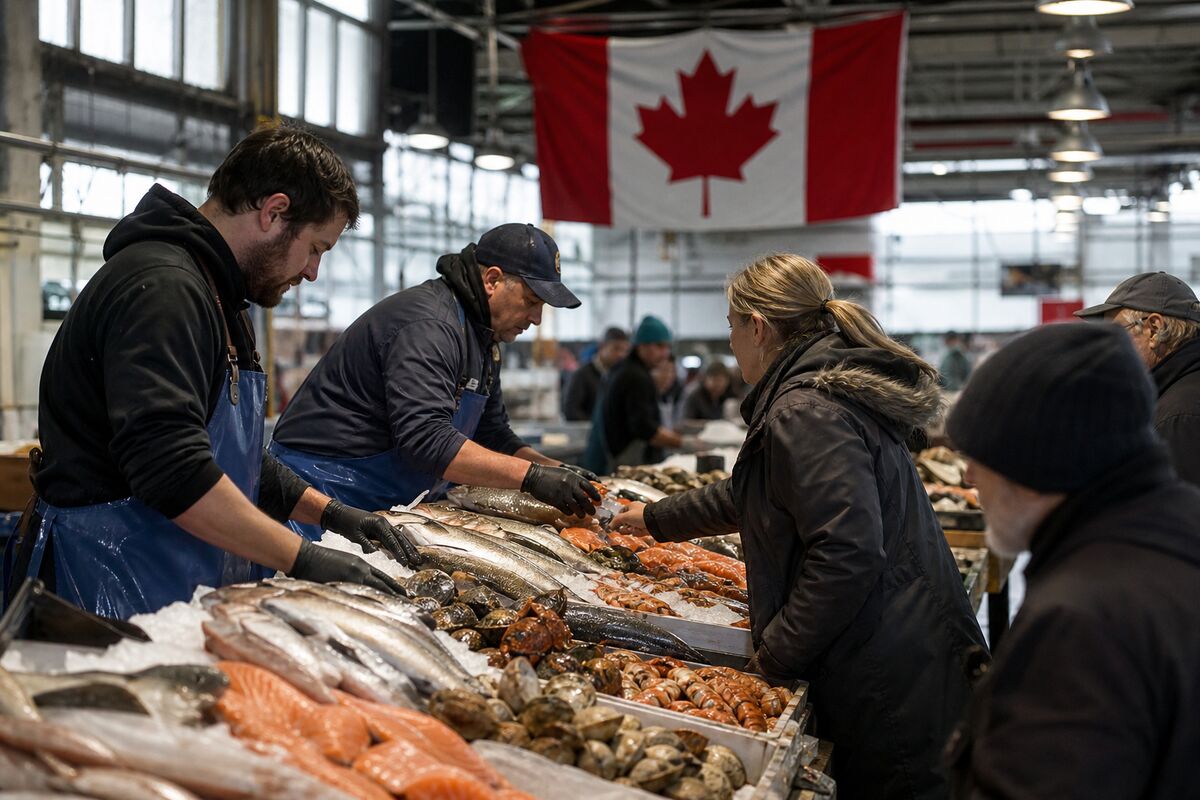
The recent decision by Canada to exclude US seafood from its retaliatory tariffs has raised eyebrows among economists and traders alike. This targeted approach not only reflects Canada’s evolving trade strategy but also signals potential shifts in the dynamics of the Canada-US trade relationship. The implications for US seafood exporters and Canadian importers could be significant, especially as both nations navigate the complexities of international trade.
By opting not to impose tariffs on US seafood, Canada appears to be prioritizing certain economic relationships over broader retaliatory measures. This could indicate a more nuanced strategy aimed at maintaining strong trade ties with specific sectors while addressing grievances elsewhere. The decision is particularly noteworthy given the increasing tensions in various aspects of trade policy, suggesting a more calculated and focused approach from the Canadian government.
Implications for US Seafood Exporters
The exclusion of US seafood from tariffs could provide a much-needed reprieve for US exporters, particularly as they navigate an increasingly competitive global market. By avoiding additional costs associated with tariffs, US seafood products may remain more competitively priced in Canada, potentially bolstering sales. This dynamic could be especially beneficial for sectors like shrimp and salmon, which have significant market shares in Canada.
Impact on Canadian Importers
Canadian importers, on the other hand, may find this decision advantageous as it allows them to source seafood from the US without the added financial burden of tariffs. This could lead to a more stable supply chain and potentially lower prices for consumers. The move might also encourage Canadian businesses to strengthen their supply relationships with US seafood producers, fostering a sense of partnership rather than competition.
Broader Sectoral Impact
The implications of this decision could extend beyond just seafood. A targeted approach to tariffs may hint at broader strategies regarding how Canada intends to engage with the US in various sectors, including agriculture and manufacturing. If Canada continues to selectively exclude certain goods from tariffs, it could reshape trade flows and influence future negotiations on trade agreements.
As the situation evolves, stakeholders in both countries will be keeping a close eye on how this decision impacts trade volumes and pricing strategies. The potential for future developments in trade policy remains high, especially in light of ongoing discussions surrounding tariffs and trade agreements.
In conclusion, Canada's exclusion of US seafood from retaliatory tariffs not only demonstrates a strategic pivot in its trade policy but also opens the door for potential growth in cross-border trade relationships. As both nations reassess their trade strategies, the seafood sector could serve as a bellwether for broader economic trends.
Source