
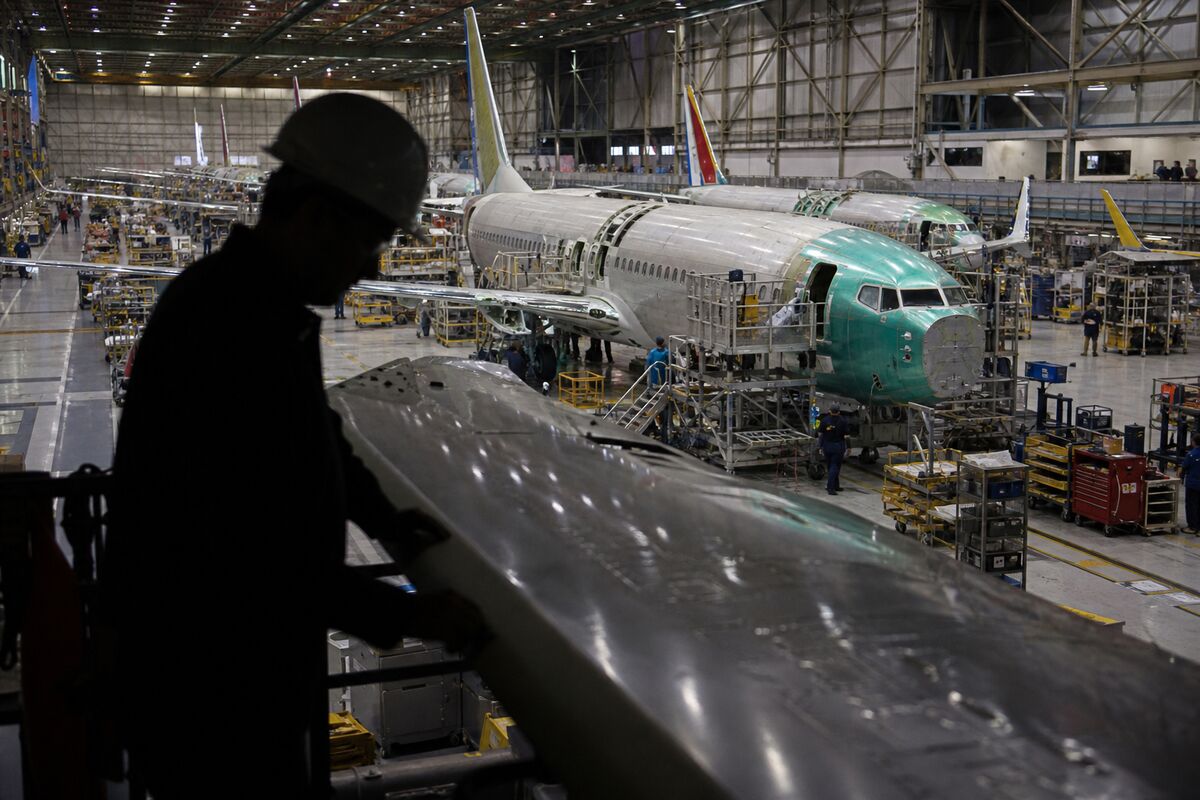
Boeing ($BA) is set to make a significant move in the aviation industry with the launch of a new 737 Max final assembly line in Everett, Washington, scheduled for July 6. This move comes at a crucial time as Boeing aims to ramp up production to 52 jets per month. For investors, this surge in production not only represents a potential revenue growth catalyst but also reflects Boeing's strategy to restore confidence in its manufacturing capabilities following past challenges.
Production Goals and Revenue Growth
The ambitious production target of 52 jets per month is expected to enhance Boeing's revenue, which has faced turbulence in recent years due to operational setbacks and regulatory scrutiny. Achieving this target could signify a turning point for Boeing as it seeks to reclaim its position in the market. The increased production rate would not only boost sales figures but also improve the overall financial health of the company.
Strategic Implementation
Boeing's strategy to restore confidence is multi-faceted. It involves not just increasing production rates but also ensuring that quality and safety standards are upheld. The new assembly line is expected to streamline operations, making the production process more efficient and less prone to the delays that have plagued Boeing in the past.
Market Dynamics and Investor Implications
As Boeing ramps up production, several market dynamics could come into play:
- Increased Demand: The aviation sector is showing signs of recovery, and with airlines looking to expand their fleets, the demand for the 737 Max could rise significantly.
- Investor Sentiment: Successful execution of this production strategy may bolster investor confidence, potentially leading to a favorable shift in stock performance.
- Competitive Positioning: By ramping up production, Boeing could better position itself against competitors, solidifying its market share in the commercial aircraft segment.
In conclusion, the launch of the new 737 Max assembly line and the target of 52 jets per month is a pivotal step for Boeing. It not only aims to boost revenue but also serves as a barometer for the company's recovery trajectory. For investors, keeping a close eye on how these developments unfold will be crucial as Boeing attempts to navigate its path back to stability and growth. The full details can be found in CNBC's original report here.
Bull/Bear Verdict
Bull Case: The increased production target of 52 jets per month suggests a strong recovery for Boeing, potentially leading to improved financial performance and investor sentiment.
Bear Case: Past production issues may still linger; any failure to meet the new targets could negatively impact Boeing's stock and investor confidence.