
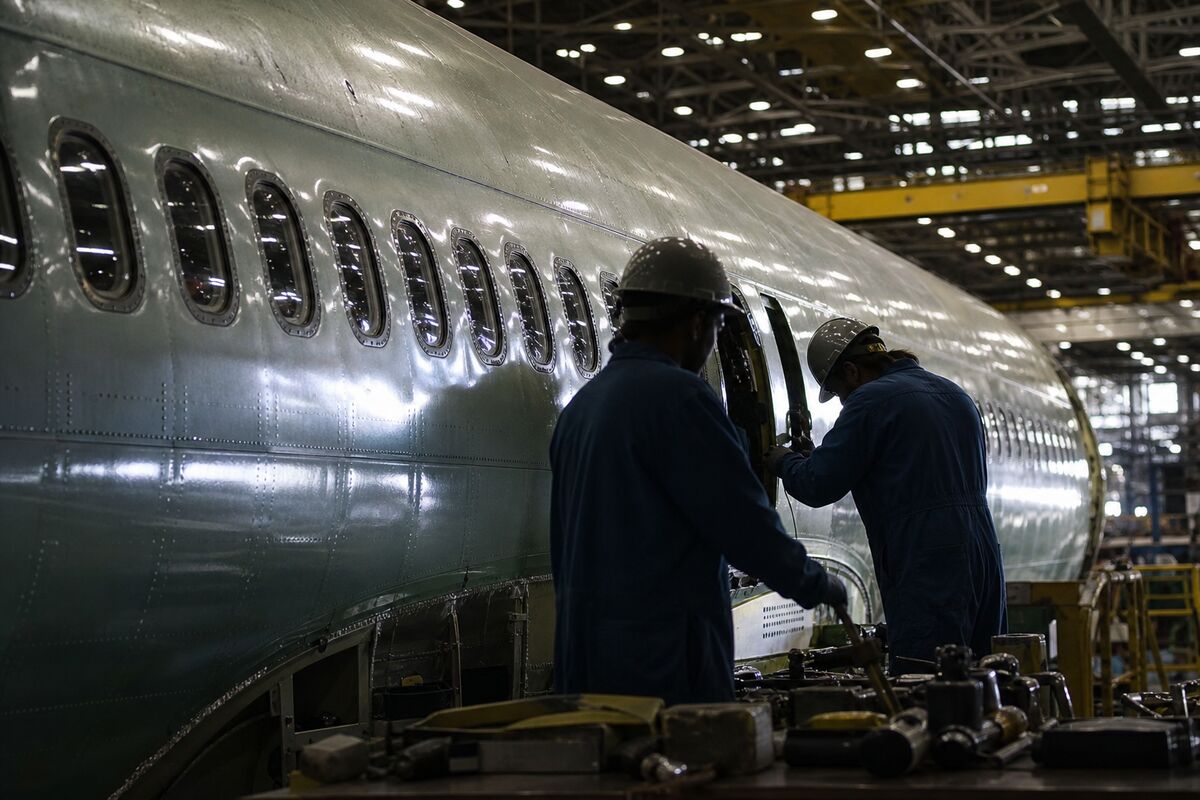
The recent admission from Boeing's CEO regarding the ongoing challenges in stabilizing 737 Max production has sent ripples through the investing community. As Boeing (NYSE: $BA) grapples with delays, the implications for revenue and stock performance are increasingly significant. Investors must remain vigilant as they assess how these production hurdles could affect both the company and its airline customers.
Boeing's 737 Max, a critical component of its commercial aircraft lineup, has faced notable production delays. The CEO's comments highlight that these issues may not only impact immediate revenue but could also extend to the broader operational timelines that investors are keenly watching. Understanding the nuances of these delays is crucial for making informed investment decisions.
Production Challenges and Revenue Implications
Boeing's CEO acknowledged that the stabilization of 737 Max production is taking longer than anticipated. This delay raises questions about the timing of deliveries to airline customers and, consequently, the cash flow that Boeing can expect from these sales. In a competitive aerospace market, the pressure mounts as airlines rely on timely deliveries to meet their operational needs.
The production delays could hinder Boeing's revenue growth in the short term. As airlines anticipate the arrival of new aircraft, any delays could lead to renegotiations or adjustments in fleet planning, further complicating Boeing's financial outlook. This uncertainty could reflect on Boeing’s stock performance, which investors should closely monitor.
Impact on Airline Customers
The repercussions of production delays extend beyond Boeing itself; they directly impact the airline customers awaiting new aircraft. Airlines may face operational challenges as they adjust to delayed fleet expansions or replacements. This situation raises questions about customer satisfaction and loyalty—factors that are critical in maintaining long-term relationships with airlines.
Additionally, if airlines are forced to delay their expansion plans, this may have a cascading effect on Boeing’s future orders. Such dynamics can create volatility in Boeing's stock as market sentiment shifts based on perceived risks and opportunities in the airline industry.
Monitoring Future Production Timelines
For investors, the key takeaway is the necessity of closely monitoring Boeing's future production timelines and any updates on financial guidance. The ability to deliver on production commitments is vital for maintaining investor confidence. Traders should keep an eye on Boeing's quarterly earnings reports and any announcements that could provide clarity on production rates and revenue projections.
Ultimately, Boeing's challenges with the 737 Max serve as a reminder of the complexities involved in the aerospace sector. Investors must navigate these challenges with a keen focus on data and trends, as the implications of production delays could reverberate through Boeing’s financial results for years to come.
As the situation develops, staying informed will be essential for making strategic investment decisions.
Source