
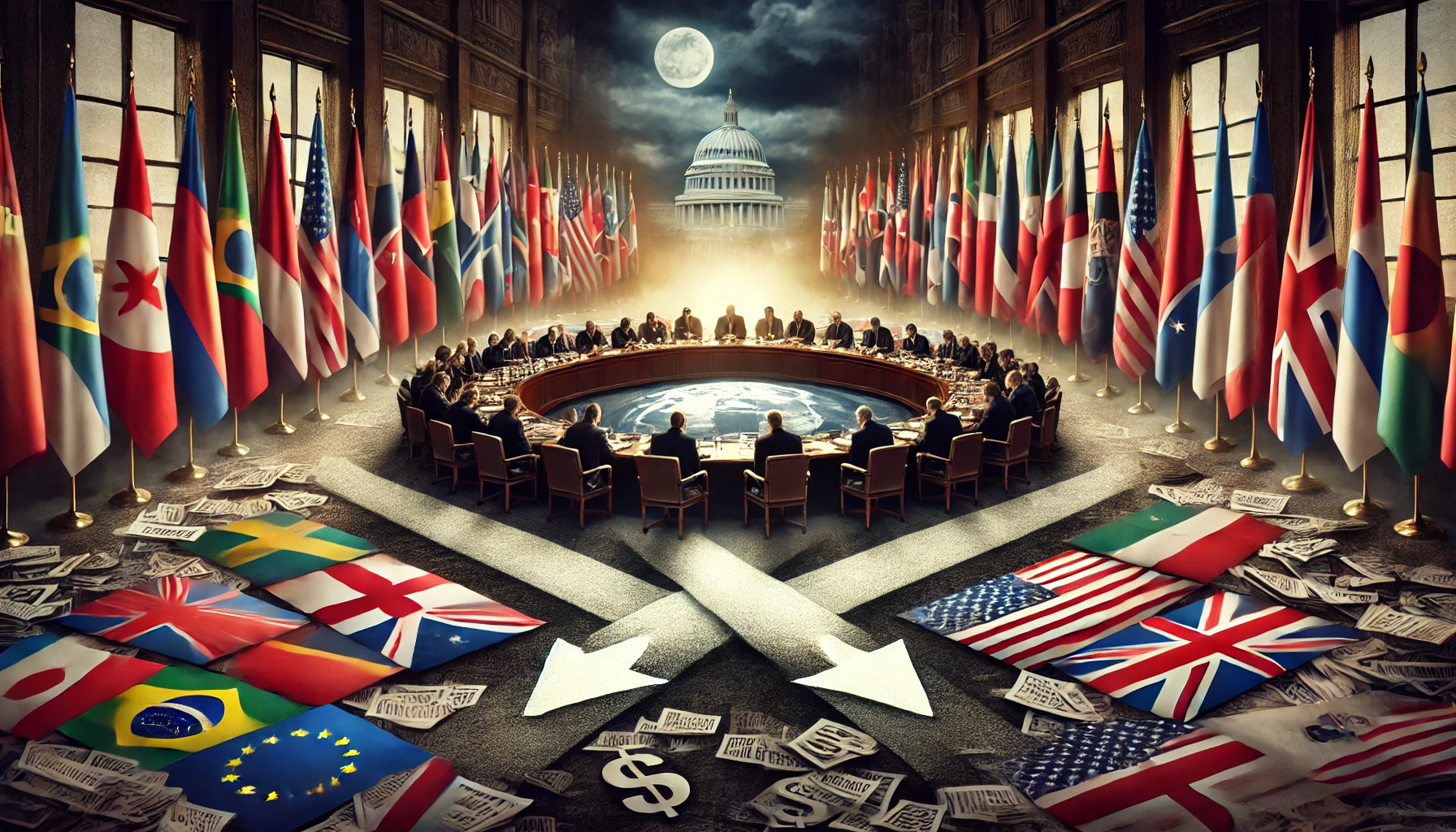
The international tax landscape is on the brink of significant change, with the potential for both unprecedented cooperation and disruptive conflict. A landmark tax agreement, meticulously crafted over a decade by the Organisation for Economic Co-operation and Development (OECD), hangs in the balance due to political gridlock in the United States.
This agreement, known as the “Pillar 1” reform, was designed to close loopholes that allow multinational corporations to avoid paying billions of dollars in taxes each year. It represents a significant step towards a fairer and more equitable global tax system. However, its implementation hinges on ratification by all participating countries, and the US Senate’s failure to do so has thrown the entire deal into jeopardy.
The consequences of this stalemate could be far-reaching. Some analysts warn of a potential tax war among the world’s wealthiest nations, with tech giants like Google, Apple, Meta, and Amazon bearing the brunt of the fallout. In the absence of a global agreement, individual countries may resort to unilateral measures, such as digital services taxes, to protect their tax revenues. This could lead to a fragmented and unpredictable tax landscape, creating uncertainty for businesses and hindering economic growth.
Despite the setbacks, there is still hope for a resolution. Negotiations are ongoing, and there is a strong commitment from many countries to see the deal through. However, the clock is ticking, and the longer the stalemate continues, the greater the risk of a breakdown in international tax cooperation.
The stakes are high, not just for governments and multinational corporations, but for ordinary citizens as well. A global tax agreement would ensure that large companies pay their fair share, contributing to public services and infrastructure. It would also level the playing field for smaller businesses, who often struggle to compete with multinational giants that can exploit tax loopholes.
In the meantime, the global economy continues to grapple with other challenges. The US labor market remains surprisingly resilient, with job openings unexpectedly rising in May. This suggests that the economy is still strong, despite concerns about inflation and rising interest rates. However, the Federal Trade Commission’s decision to block a major merger in the mattress industry highlights the ongoing regulatory scrutiny of corporate consolidation.
The coming months will be crucial for the future of global tax reform. The outcome of the US political stalemate will determine whether the world moves towards a more cooperative and equitable tax system, or descends into a chaotic tax war. The decisions made now will have a lasting impact on the global economy and the lives of people around the world.